-
19th January 2019
Ferneydale 78.
-
Highlights of 2018
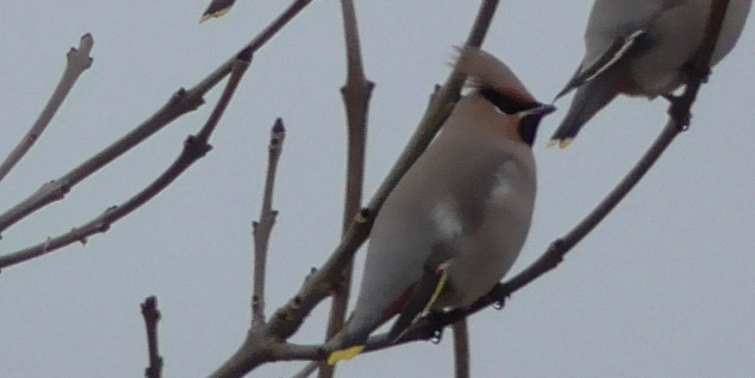
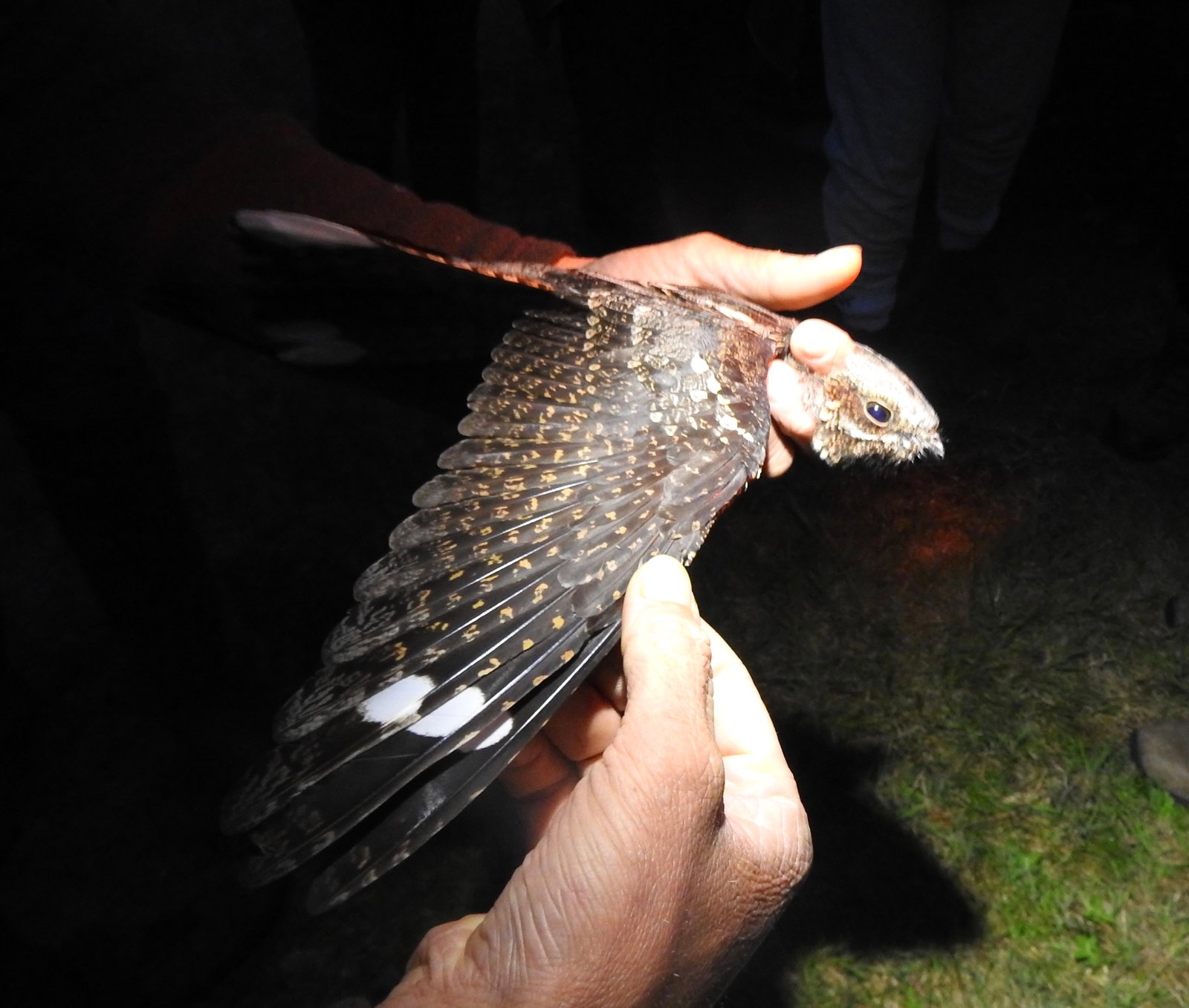
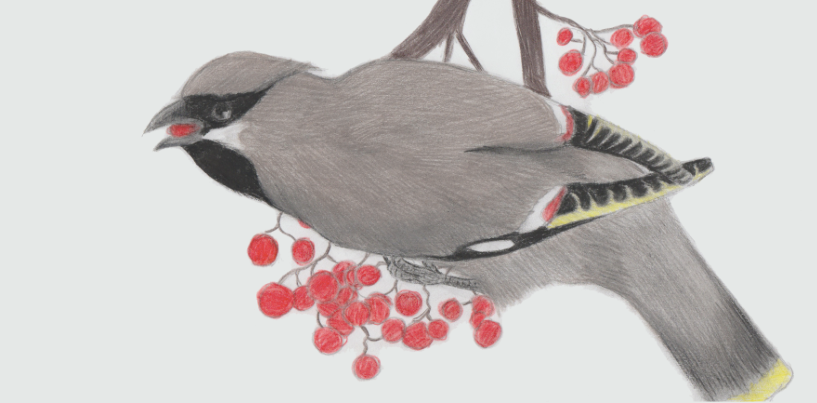
This is a summary of my birding and wildlife highlights of 2018 New bird species and my year list total My year list this year has reached a record total of 173 bird species and I have seen 17 (possibly 18) new species: Red-throated Diver (Spurn), Curlew Sandpiper (Spurn), Red-necked Phalarope (Rutland Water), Grey Phalarope (Old Moor RSPB), Green Sandpiper (Willington GP), Spotted Redshank (Old Moor RSPB), Mediterranean Gull (Spurn), Sandwich Tern (Spurn), Arctic Skua (Spurn), Nightjar (Thetford), Lesser Spotted Woodpecker (Renishaw Gardens), Red-backed Shrike (Spurn), Waxwing (Buxton), Garden Warbler (Williamthorpe GP), Yellow Wagtail (Spurn), Hawfinch (Kingsley) and Common Rosefinch (Spurn). The 18th new species was a possible Black Guillemot on…
-
Ringing in the garden
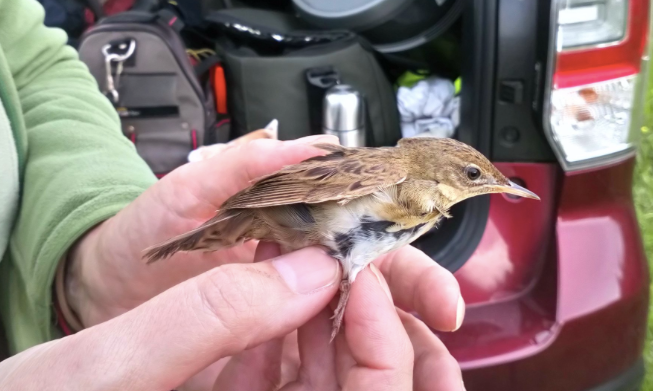
Yesterday we spent the morning ringing in our garden with our trainer Geoff. We were kept quite busy with a pleasing 24 birds, mostly consisting of Blue Tits. We caught 21 Blue Tits, 1 House Sparrow and 2 Coal Tits. The Blue Tits were about evenly made up of 4’s and 3’s. The male House Sparrow was a very smart individual. It was the first male House Sparrow I’ve ringed and our garden is the only site where we’ve ringed the species. The Coal Tits were both 1st calendar year birds. The majority of the Blue Tits caught yesterday may have…
-
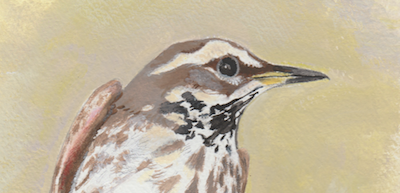
Redwing at Ramsley
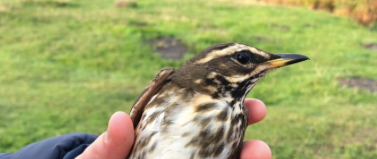
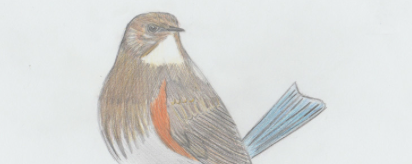
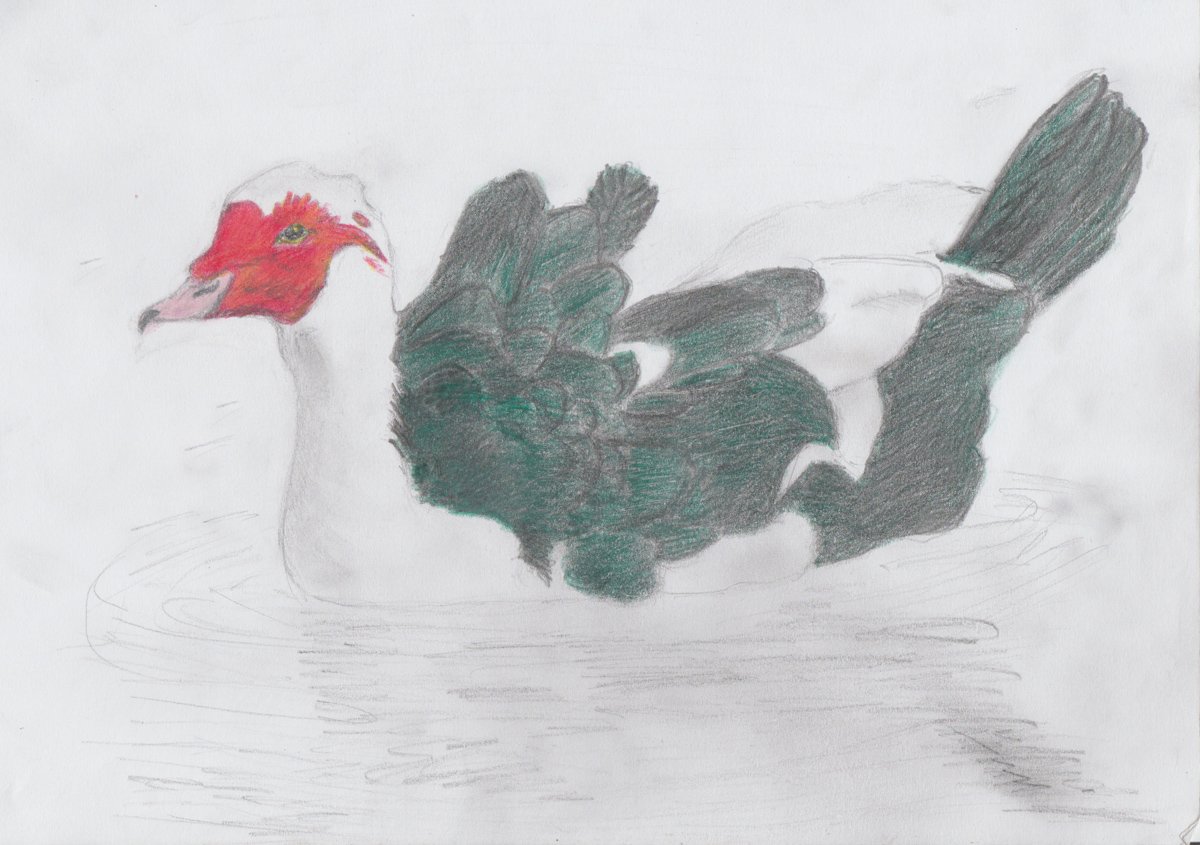
My recent gouache painting of a Redwing in the hand at Ramsley Reservoir.
-
Local patch
Our house borders a local nature reserve in the Peak District. My patch is a really nice area with a variety of habitats including rough grassland and deciduous woodland so a really good place for wildlife. Over the 4 years we’ve been here, we’ve recorded around 70 bird species and over 200 moths. I regularly set a Skinner Moth Trap in the garden which I’ve started this year and we’ve had some great species including a Vestal which was the 4th record for Derbyshire! This year I’ve also started doing butterfly surveys on site, and the totals go to the county recorder. I will post here with pictures of birds…
-
Spurn Young Birder competition
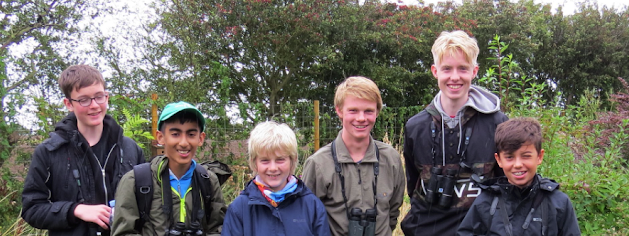
On the 7th September, we travelled up to the east coast for Migfest at Spurn Bird Observatory. Migfest didn’t start until later that day so we managed to fit some birding in. I went seawatching for the first time and saw Arctic Skua and Red-throated Diver which were both new species for me in Britain. After the competition, I went and saw the Common Rosefinch. Saturday was the day of the competition and the six contestants met Nick Moran (organiser of BTO Birdcamp) in the Observatory common room. The other finalists were Kabir Kaul, Jack Bradbury, Alex Liddle, George Rabin and Angus Jennings. The younger contestants stayed round…
-
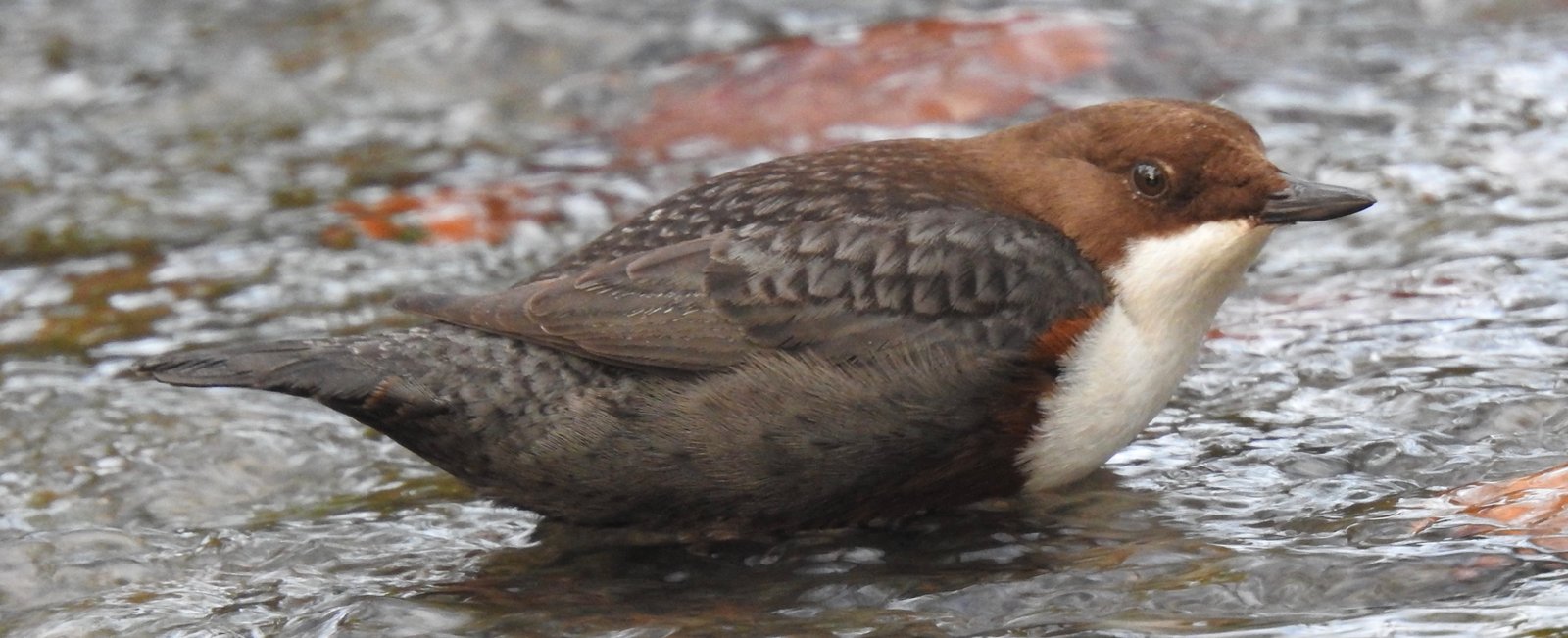
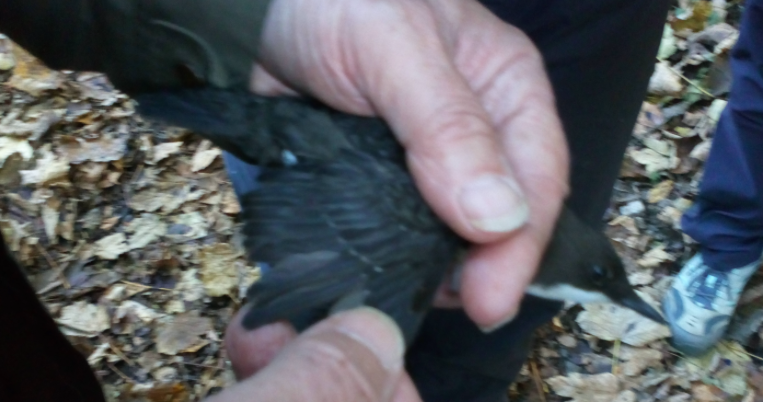
Kingfishers and dippers
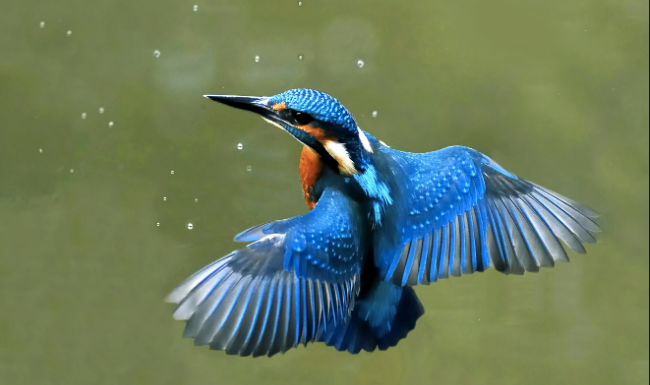
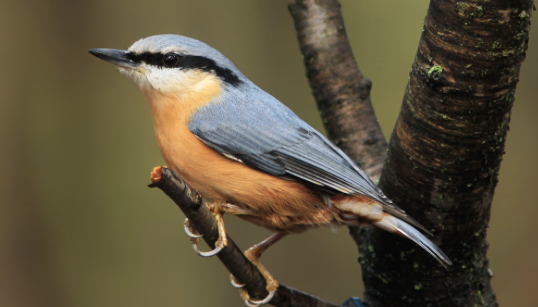
On Saturday, we went ringing at Renishaw with Geoff and some ringers he had met on the Isle of Wight Ringing Course. We put three nets up, with a net by the feeders producing lots of tits and also some Nuthatches but the birds of the day were a pair of Kingfishers caught in a net specially to catch them. There was one new bird which I ringed and a retrap. It was a female due to having orange on the lower mandible and a first year due to having brown on its legs. The other bird was an adult male. Kingfishers have a really weird habit of twisting their heads round! The…
-
13th October 2018
Old Moor RSPB 166. Pochard 167. Spotted redshank (Brand New Species) 168. Grey phalarope (Brand New Species)
-
Redwings
Today we spent a freezing cold morning ringing at Ramsley Reservoir with Geoff. By the end of the morning we had netted and ringed 83 birds consisting of Redwing, Long-tailed Tits, Blue Tits, Great Tits, Redpoll and Meadow Pipits. The Redwings were caught at the start of the morning, the first net round producing 1 bird, the second producing 5 and the third produced two. They need a CC ring along with Song Thrushes and Dippers. They were a mix of 3’s and 4’s, the adult birds lacking the white rim to the tertials. None of the birds caught today were the Icelandic subspecies but if any had been they would…
-
Scotland 2018
During August we spent two weeks in Scotland for our yearly holiday. We spent a week in Aviemore and the second week in Arisaig on the west coast. In Aviemore, we spent some of our time at RSPB Loch Garten in Abernethy Forest. Unfortunately, the Ospreys failed to nest here this year. We saw lots of Siskin on the feeders and Crossbills calling high up in the pines. One morning we were there and unexpectedly opened up the night’s moth trap on our own. There were lots of species including Pine Carpet, Northern Spinach, Autumnal Rustic, Neglected Rustic, Ear moths, Heath Rustic and White-line Dart (not forgetting two unidentified species…
-
8th September 2018
Spurn 165. Common rosefinch (Brand New Species)
-
Pine martin found in Derbyshire
The pine marten was once the second most common carnivore in Britain, but persecution and and habitat loss has driven them close to extinction in England. The last confirmed sighting of a pine marten in Derbyshire was an individual shot in Baslow in 2002 which is now a taxidermy specimen in Sheffield Museum. Recently wildlife photographer Andy Parkinson spotted one dead on the road between Belper and Ripley and passed the information on to enable it to be retrieved. Vincent Wildlife Trust has confirmed it was a male. It’s really exciting that this mammal has been discovered and I hope it’s the first of many to be seen in the county.…
-
Learning to ring
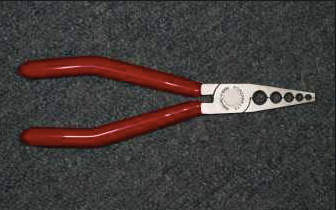
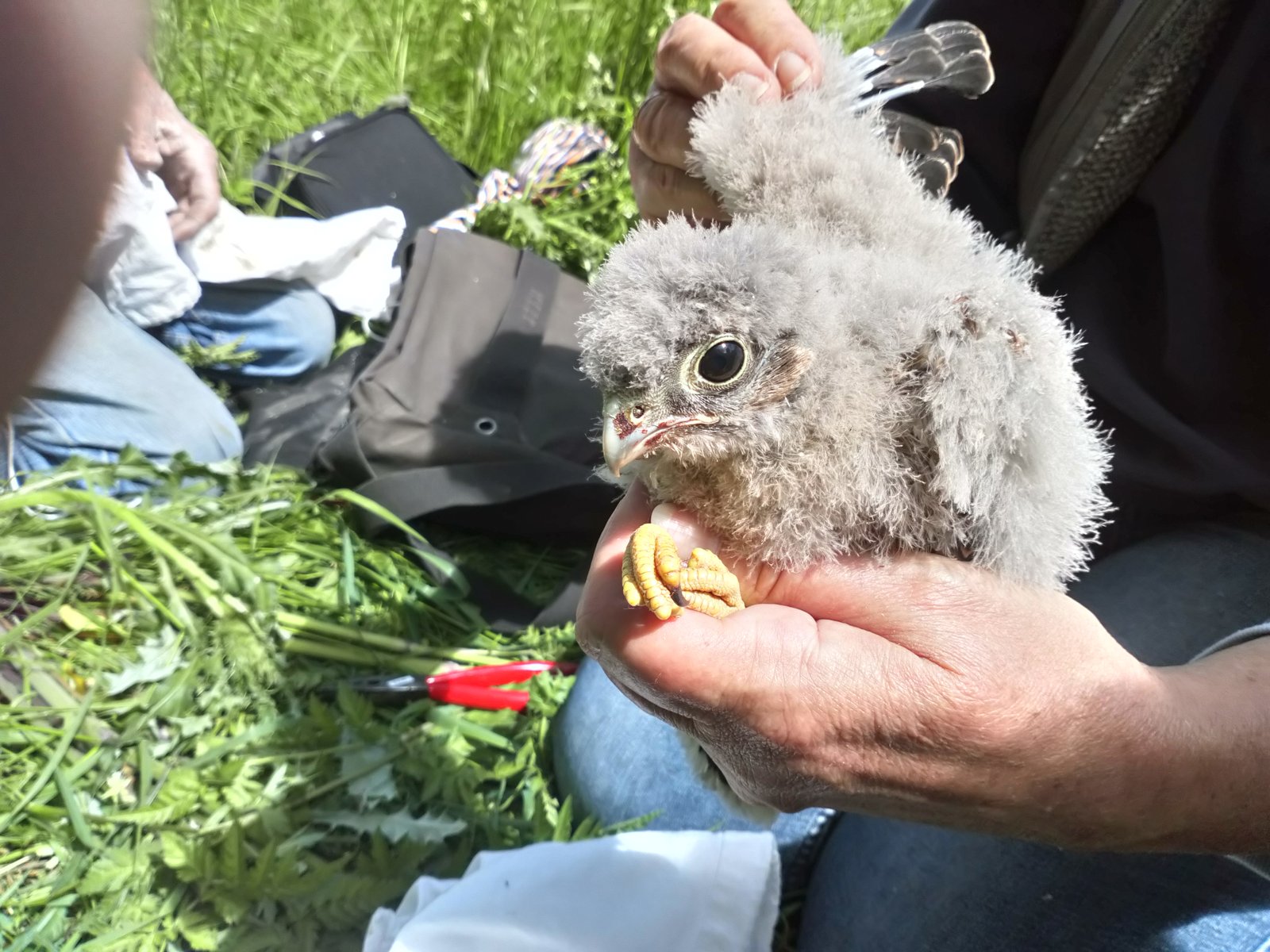
This is the section of my blog where I will write about some of the bird ringing activities I regularly participate in. I have now been training for about 2 years with Geoff Mawson, who is secretary of Sorby Breck Ringing Group. Most of the ringing I do is using mist nets, which are typically made of polyester and are a safe and generally harmless way to catch birds for ringing purposes. I have also had the opportunity to ring birds in the nest and whoosh-netting Twite. The ultimate aim of ringing is to study birds on passage or to monitor populations, particularly in the breeding season. The metal rings…
-
30th August 2018
Boat trip to Eigg from Arisaig 158. Kittiwake 159. Manx shearwater 160. White-tailed eagle 161. Great skua
-
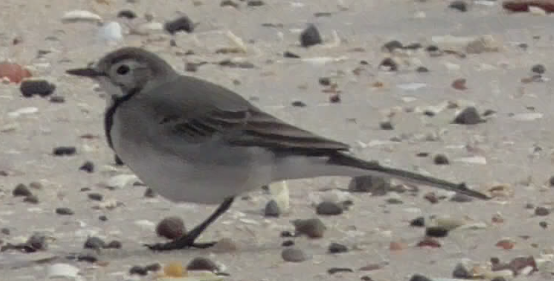
Spurn
During the week we spent a day birdwatching at Spurn Point in Yorkshire. I am one of 6 finalists at the Martin Garner Young Spurn Birder of the Year competition at the MigFest in September so I thought it would be a good idea to go and see what types of bird I might be asked to identify. We walked down onto the mud flats to see the waders. There were quite a few different species including grey and golden plover, redshank, knot and dunlin. Lots of yellow wagtails flew over and we saw loads during the time we were at the reserve, and they were a new species for me.…