-
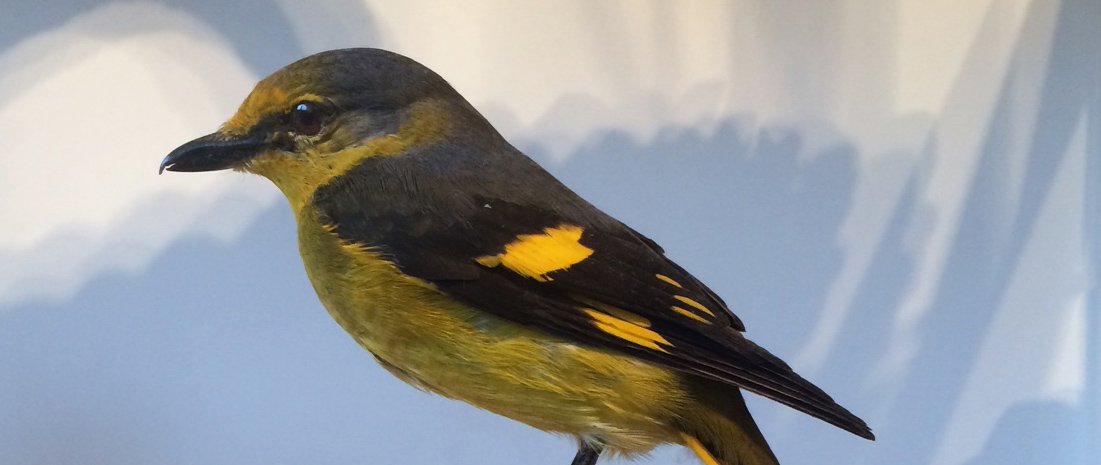
Flame minivet
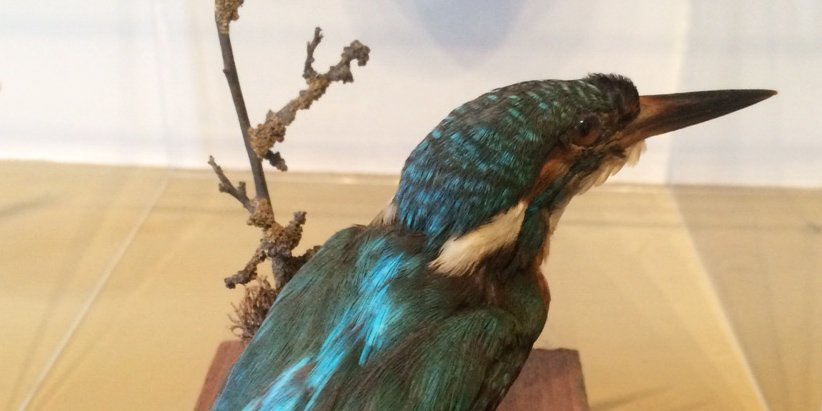
As well as a stoat and a lesser blue-eared glossy starling, I got a female flame minivet. It is yellow on its front and has grey on its head and back. It is from the same person who did the campo tropial and the white-throated kingfisher. The minivet is related to shrikes and in the wild they eat small mammals and large insects. They are called flame minivets because the males are a bright orange. Like a shrike it has a slightly hooked beak and a quite a long tail. Unlike shrikes which live in Europe and northern Asia, minevets live in southern Asia. The smallest species of minivet is…
-
Stoat
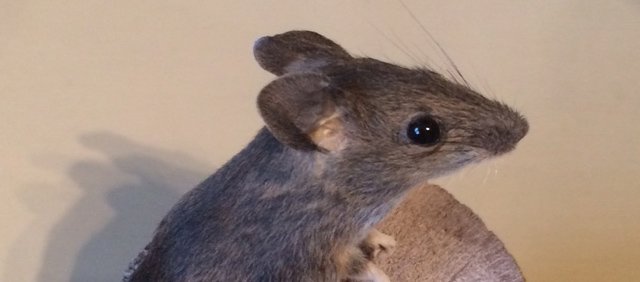
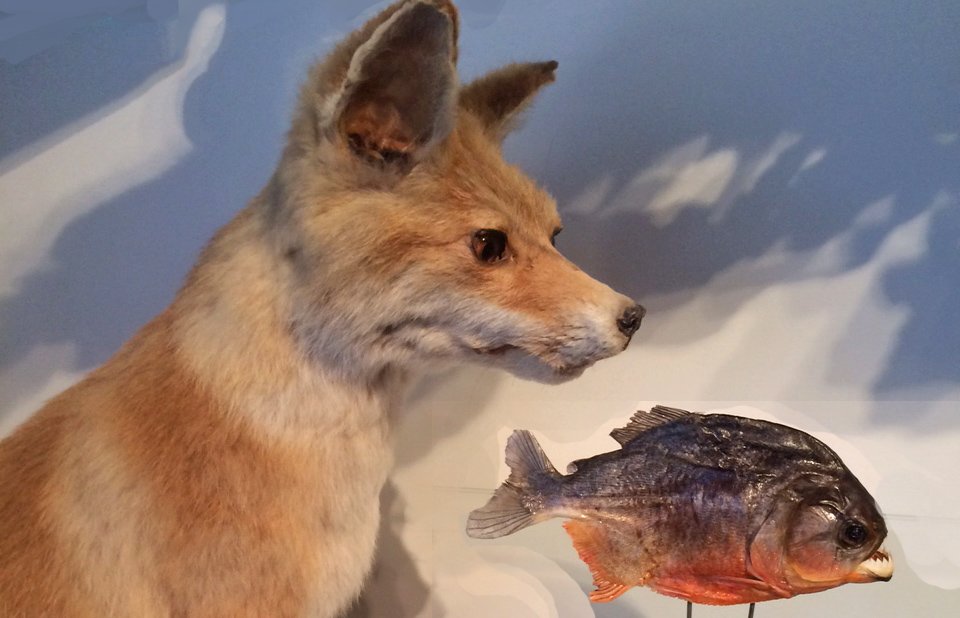
For Christmas this year, I got a stoat along with a lesser blue-eared glossy starling and a flame minivet. The stoat only had a bit of its summer coat left, with a bit on the back of its neck and tail. I’ve put it snarling next to my ocelot on my shelves and it looks as if it thinks it’s as scary as the fox-sized animal! It came from the same person who did the azure-winged magpie. It is new and has quite a small wooden base. It’s nearly completely white, so it’s known as ermines instead of stoats. It was probably either knocked down on a road, died naturally or…
-
Lesser blue-eared glossy starling
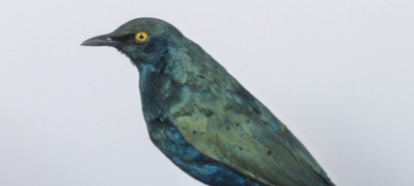
For Christmas I got a taxidermy lesser blue-eared glossy starling. It is completely new. As its name suggests, it is very glossy and it is green with a blue tinge behind its eye and just under its wing. They come from Africa and look nothing like our british starling and are a bit taller. It has a good base and it’s the most expensive bird I’ve had so far. The taxidermist, Hanson, has got a lot of other great mounted birds on his website including things like a great grey owl. The starling would have been someone’s pet or it would have been in a zoo or a wildlife park like my…
-
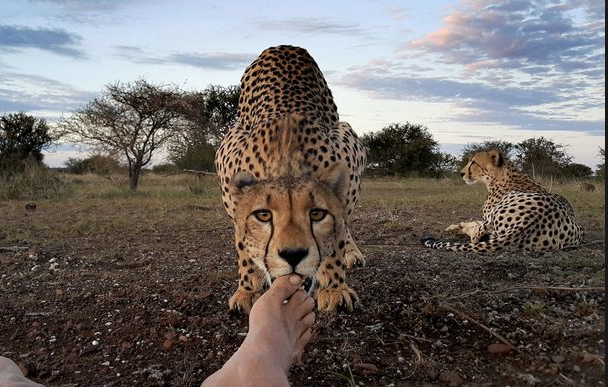
Cheetah the scaredy cat!
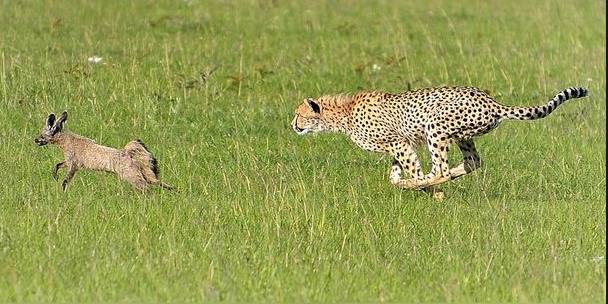
This cheetah was photographed being chased away by a bat-eared fox less than twice the cheetah’s length and weight! First it was the cheetah who was chasing. This cheetah was thinking that this feisty animal only as big as a cat would be a suitable prey item, but when it pounced, it found that the fox, even though it was a lot smaller than itself, was a very vicious customer!
-
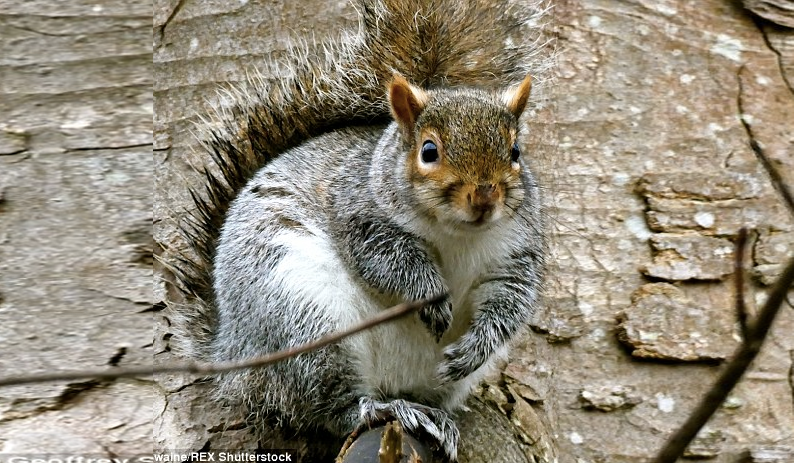
This fat squirrel is going to beat the winter!
This greedy squirrel looks like he’s eaten all the nuts before winter instead of staching them. This fat grey squirrel was spotted in Maidenhead, Berkshire, where quite mild temparatures have left him free to fatten up on nuts, seeds and fruit, ahead of any forthcoming cold spells. He actually should have buried some for the cold weather when it does appear. But he may have forgotten the first rule of winter…Don’t eat everything you find.
-
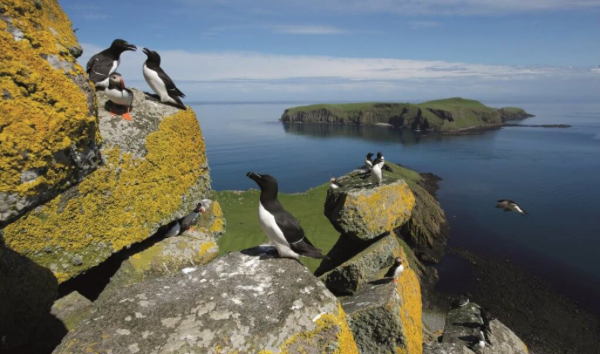
Puffins put on danger list
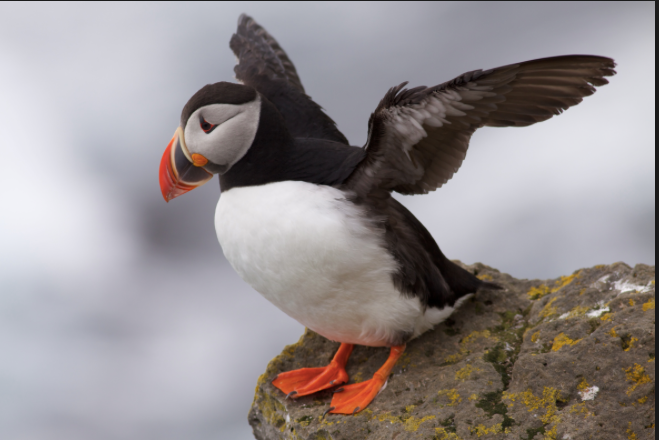
New research has found that for the first time ever puffins have been rare in Britain. Unfortunately, shags, nightingales and our biggest wader, the curlew have too. They have all been added to the official red list. This shows that more than one in four of the UK’s 244 bird species are so rare they may become a cause of concern for the RSPB. The number of British birds on the red list is now 67-up 15 since the last list in 2009. It includes some of our favourite and best known birds, including the cuckoo and the starling.
-
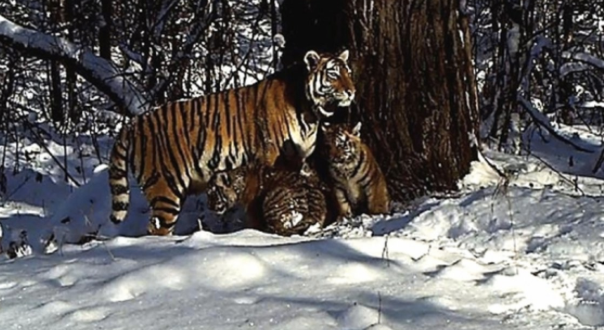
Ingham’s World 11th December-Cinderella the tiger!
Britain may not have the lions of Africa or the grizzlies of orth America, but it does have outstanding wildlife. Some of our most special species are among the smallest islands. These wildlife heroes include the world’s oldest creature and a beetle that farms its own food. All are rare and being helped by National Park rangers and volunteers. Among them is the mountain or bilberry bumble bee which hums away in the heathers of Northumberland National Park. This tough invertabrate survives snow, howling winds and lots more awful wheather. Also, there’s the extremely rare tadpole shrimp of the New Forest NP. With its horshoe shaped shell it has been…
-
I’ve got a moustache the size of my head!
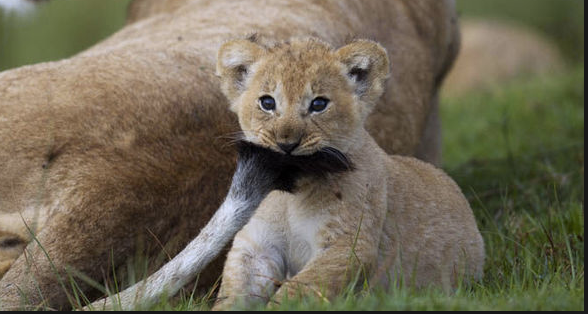
This lion cub looks like it’s got a massive black moustache, but it’s actually its mother’s tail! This six week old cub spent a few minutes messing about with its mother’s tail, biting it and trying to pull it away. The mother has four young cubs and all of them were keen to get her attention. As she rested, another of her young cubs lay on her back. Anup Shah from Kington Langley, Wiltshire, took these humorous shots in Kenya.
-
Ingham’s World 4th December-Polecat increase
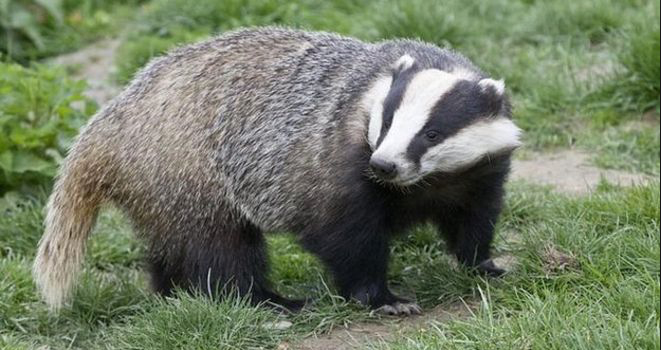
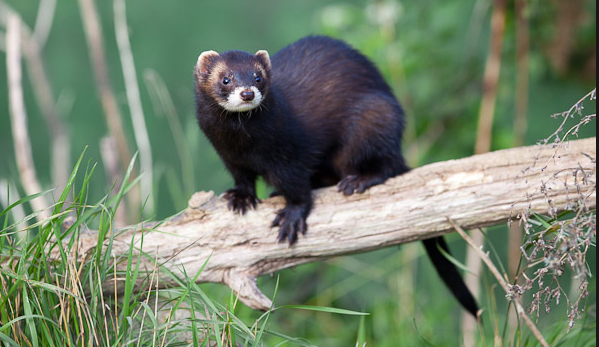
The brown masked polecat often looks mischievous. But this hunter from the hedgerows is a miracle worker;it’s increasing its population. Once widespread across Britain, they were virtually hunted to extinction. And just 100 years ago it was clinging on with its claws in its last stronghold in mid-Wales. But fortuantately with legal protection and a boost in its favourite prey, rabbits, have sent numbers bouncing back. And there is still chance to help the the Vincent Wildlife Trust chart its distribution by sending sightings to its National Polecat Survey which runs till the end of this month. This the third survey since the 90’s and the VWT says…
-
Ingham’s World 27th November-The devil is fighting its enemy!
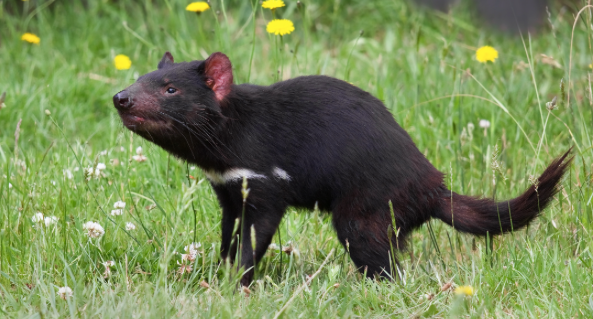
Climate change seems good for one of our creatures;crickets. Three species new to Britain have arrived as they moved north through Europe. They include the long-winged conehead and the Rosell’s bush cricket. There is also going to be reintroduction progress for the wart-biter cricket. The size of a small dog, the Tasmanian devil, a snarling predatory marsupial, has been given a helping hand against a killer disease. Since 1996, numbers have been sent plummeting by 96 percent because of a deadly cancer. But Sidney’s Devil Ark has bred healthy stock and has released at least 40 into a decease-free area of bush in Tasmania.
-
Get off my water hole!
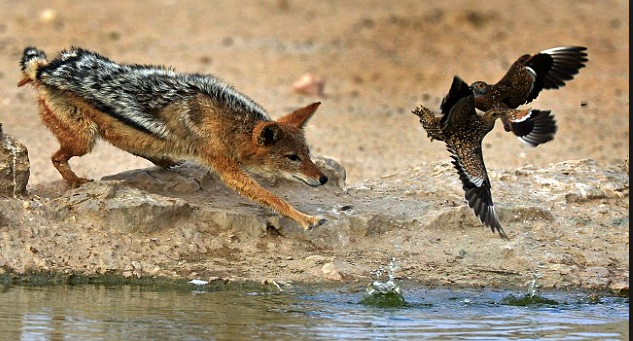
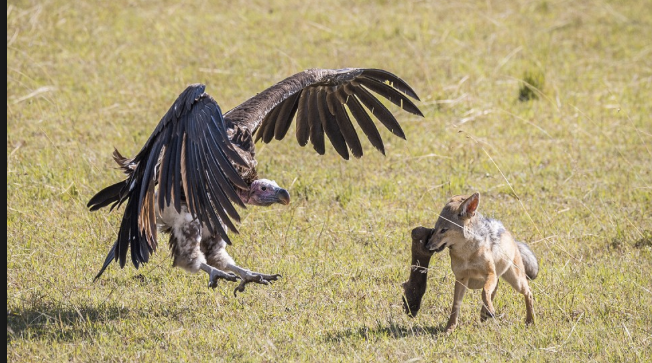
When you’re one of Africa’s most successful predators, there are times you don’t want a camera being pointed at you. This hungry jackal used all his strength last week to get a tasty breakfast, only to be left nursing his hunger, his wounded pride caught on camera for the whole world to see. The jackal had been lying in wait for birds to come to the water hole every day at first light. Spotting some early bird doves, the jackal leaped into the water to try to catch his quarry but he wasn’t quick enough. After an hour, a noisy flock of sandgrouse arrived. But the predator mistimed his attack…
-
I saw that food first!
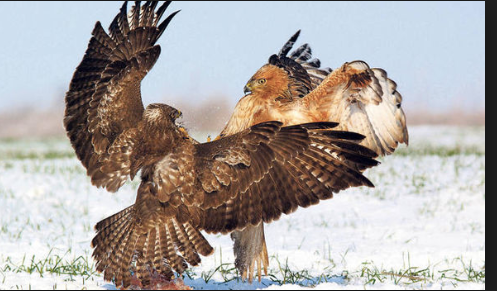
This amazing picture shows two buzzards fighting to the death over dinner. The hungry buzzards were circling over the Bulgarian city of Varna when they spotted fresh meat. The starving birds both swooped down as soon as they’d spotted it and ended up having a scrap to decide which one had dinner. Photographer and bird enthusiast Svetoslav Simeonov caught the two buzzards, the long-legged and the common, on camera. Buzzards are opportunists and will feed on whatever they find, from rubbish and carrion to a fully grown hare.
-
Ingham’s World 20th November-Bird on board!
Martin Grimm is a very lucky man! The other night this German wildlife photographer was bobbing about in the Baltic on a research vessel when thousands of birds descended out of the darkness. His Youtube videos are like something from a horror movie, quotes John Igham. His boat was swamped with finches. Lit up by the ship’s lights, the birds were on the deck and all over the place. Meanwhile thousands more were flying in, swirling clouds of them, trying to seek a refuge from the bad weather. This is the autumn migration in full flow, with chaffinches and even their northern relatives, bramblings. They were joined by siskins, greenfinches,…
-
Mother brown bear can’t bear to watch cubs in tree
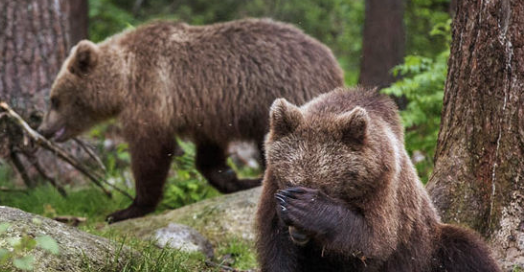
This mother bear can hardly bear to watch as her cubs climb higher and higher up a tree! The photo shows the cubs all looking down to see how far their brothers and sisters have got. They know that their mother can’t stop them as they head higher up. Sitting at the bottom, mother even holds her head in her paws because she can’t bear to watch them! Photographer Ville Paakkonen, 20, from Finland was out bear watching when he found the cubs playing around. Finland’s pine forests are home to an estimated 1,500 European brown bears. Sightings can be almost guaranteed.
-
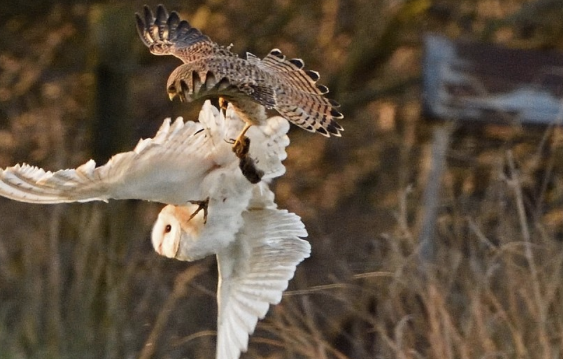
Birds in battle over owl’s prey
Two predatory birds were caught on camera, one stealing the other’s prey. This barn owl had caught a vole and was carrying it back to its perch with it, when a female kestrel, only half its size, came and snatched it off it again! It snatched it in its talons and swooped upwards, but then the barn owl flew after it and got it back with its beak. Photographer Chris Castling, 60, captured this incredible tug of war.