-
Girl of 13 is the youngest to see 4,000 different birds
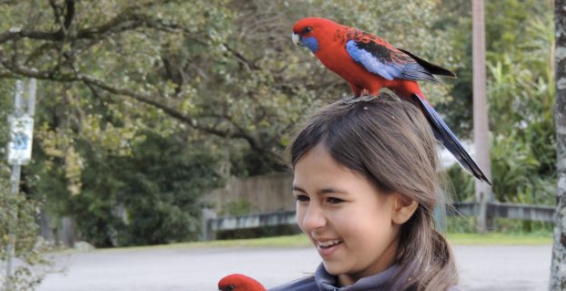
Globe trotting Mya Rose Craig, at 13 years old, has become the youngest person in the world to see 4,000 different bird species. She set the record when a recent trip to Kenya allowed her a rare glimpse of a red throated tit. She has seen many different bird species, including the southern cassowary which see saw when she was only four, and it has become her favourite bird. That was when her mother let her start counting them on her own. Her mother said she and Chris took her to the Isles of Scilly when she was only a few months old. When she was ten her retired parents…
-
Ingham’s World 13th November-Black grouse on the increase
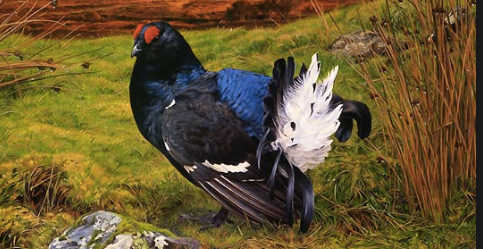
The spectacular game bird, the black grouse, is now confined to very few parts of moorland in England. So when John Ingham went to RSPB’s Geltside reserve in the Cumbrian Pennines one cloudy spring morning he was rewarded. The males were locked in a dance over who got to mate with the females, flying into the air and and then landing on their attacker. Since 2008, beer named the Black grouse had raised 600000 pounds for black grouse conservation at RSPB reserves in Scotland, one of the black grouses last strongholds. At the same time the numbers of male dancing black grouse have risen from just 18 to 59! But…
-
Ingham’s World 6th November-Birds move north due to climate change
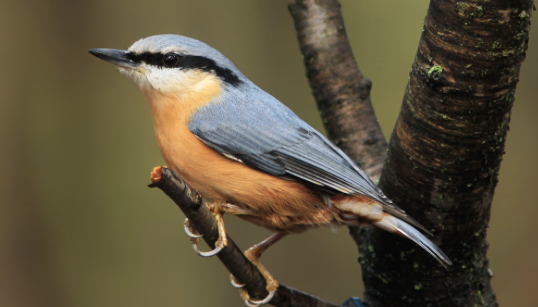
Britain’s birds and butterflies are travelling slowly north thanks to warmer temperatures. A study of 80 bit species shows that over the past 15 years their range has moved an average 30 miles further north. The BTO report in Bird Study focused 1994 to2009, which was a period when British temperatures increased by 0.59C. Great spotted woodpeckers have moved an amazing 125, with jays range increasing 100 miles north and nuthatches a shorter 80 miles. Researcher Dario Massimino said that 20 years ago great spotted woodpeckers used to be seen south of Glasgow but now they’ve been seen in Iverness. Green woodpeckers used to keep south of the river Tees…
-
Ingham’s World 16th October-What a mad warbler!
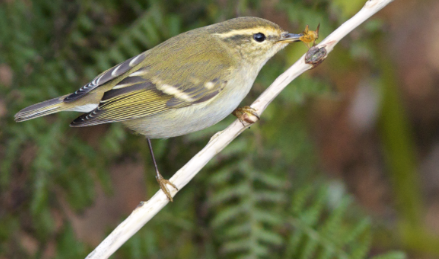
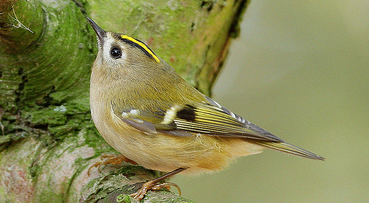
A tiny bird the size of a goldcrest that breeds in Siberia may be showing evolution progress right under our eyes. Yellow-browed warbler overwinters in South-East Asia and breeds in Siberia could be carving out a new migration route. Record numbers of these birds have been sighted here in the UK. Every summer and autumn we get migrants flocking in from the Atlantic and Asia. Since the 1960’s a few YBWs have been signed every autumn. Once 20 was a big arrival, then 200 and 1000 this year. They may be victims of a phenomenon called reverse migration. These little warblers, instead of travelling south and then east, are going…
-
White-throated kingfisher
A few months ago, with my pocket money I bought a white-throated kingfisher, a large species which comes from southern Europe and Asia. We bought it from the same person who did the campo troupial. In the wild they eat fish, large insects, birds and even small snakes and lizards. They are only slightly different than a Brtish kingfisher in colour but have a large pink beak, a reddy-brown head and shoulders and a turquoise back and tail.
-
Ingham’s World Friday 9th October-Hello, woodcock pilot!
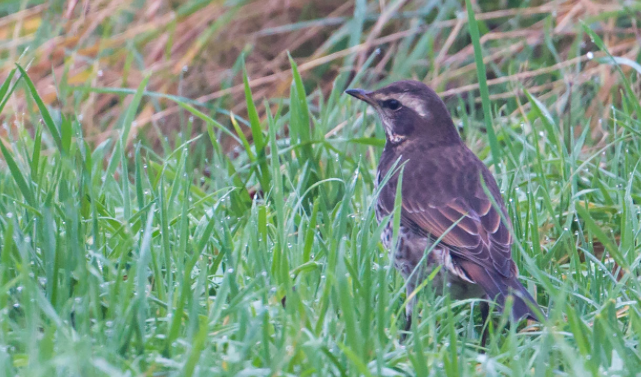
If you go out on an autumn night you can witness one of nature’s greatest spectacles- migration. There’s all sorts of birds out there: thrushes, geese, starlings, waders and many more are pouring from as far away places as Russia and Greenland. Before you go to bed, listen out for the high pitched calls of redwings, thrushes a bit like song thrushes. There is also pink-footed geese flocking in, with a massive 30,ooo in wildfowl and wetland trusts. But more impressive is the feet of Britain’s smallest birds, goldcrests, which travel an astounding 500 miles. For a bird only 9cm long, it is quite a way to travel. The birds…
-
Reared hobby chick heads south
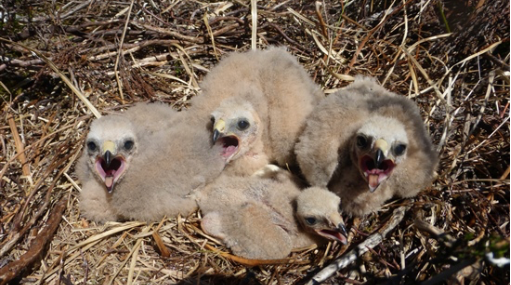
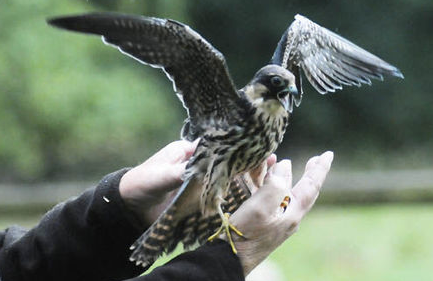
On the 7th October, this rare bird of prey had its freedom, and headed south for Africa. This hobby chick was found nearly 2 months ago on a street in Conventry and passers by took it back to a near by wildlife sanctuary and nursed it back to health. It was thought to be a kestrel first because it had so few feathers, but after fattening up they realised that it was a hobby. Nuneaton and Warwickshire Wildlife sanctuary’s Geoff Grewcock saw it take of.
-
Whole wooly mammoth tusks found in USA
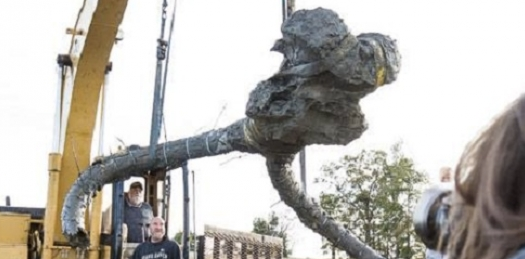
Giant tusks of a woolly mammoth thought to have been there 15,ooo years were pulled up from someones field in Texas. Farmer James Bristle found them buried in his soya bean field and mistook them for a broken down fence post, but when scientists dug it out they found it was a woolly mammoth’s tusks.
-
New discovery – a walking fish
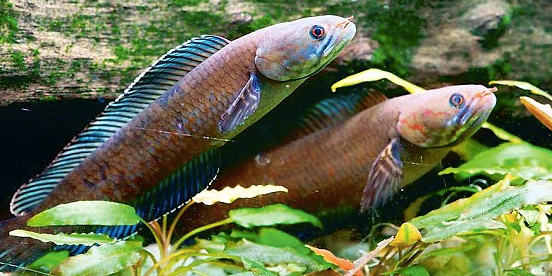
A walking fish, a monkey that sneezes in the rain and a new bird are only 211 new species found in the Himalayas. The vibrant blue walking snakehead fish is a species that breathes air and can wriggle a quarter of a mile over wet ground. The finds in the eastern Himalayas include 133 plants, 26 fish, 10 amphibians and 1 bird, the spotted wren babbler, and the WWF says that 1 mammal has been discovered aswell.
-
Kingfisher dive!
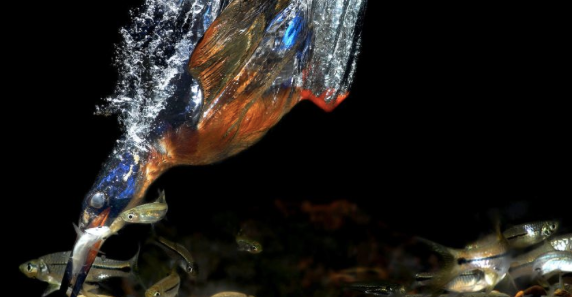
For a small fish like a stickelback, a speeding flash of blue, red and white diving into the water is the last thing you’d want to see. Wildlife photographer Paul Sawer captured these dramatic images of a small blue kingfisher diving into the water. It eventually came up with a small fish in its bill. Then it flew back to its perch and whacked the fish on it. This is the usual behaviour of kingfishers, and they do this so the spines off the fish so it can swallow it whole.
-
Ingham’s World Friday 2nd October-Nuthacth needs help!
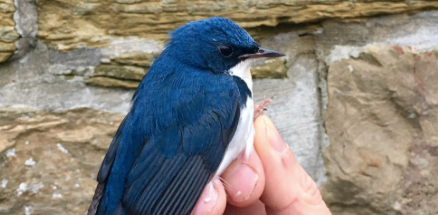
There seems to be lots of animals and bird species named after famous celebreties. There’s an Amazonian tree frog that have batlike calls named after Ozzy Osbourne, a Charlie Chaplin fly and Psephophorus Terrypratchetti, an extinct turtle named after the disc world author. There are fictional heroes too, like the soul sucking Dementors from Harry Potter that get a mention with Ampulex dement or, a wasp which can zomify and suck the life out of cockroaches. Japan thinks they’re being very clever defying a global ban on whaling, but fortunately any people seen with whale meat will have to pay a very heavy price. A dashing bird with a…
-
All those dolphins and sea lions at once!
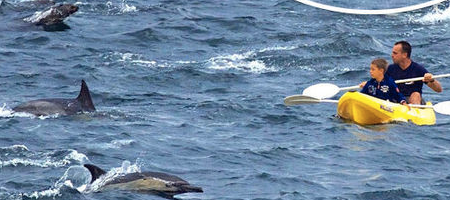
A father and son grabbed a riding seat at a show of nature right at its best. Herman de Vries and his eight year old son Adriaan were kayaking when they suddenly found themselves surounded by a school of five hundred dolphins. They were also joined by some playful fur seals. They were spotted of Cape Town, Africa.
-
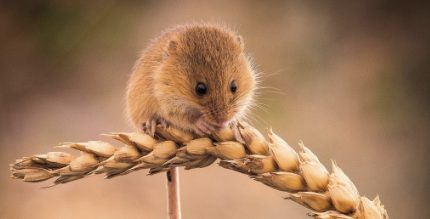
Ingham’s World Friday 25th September-Harvest mouse has help
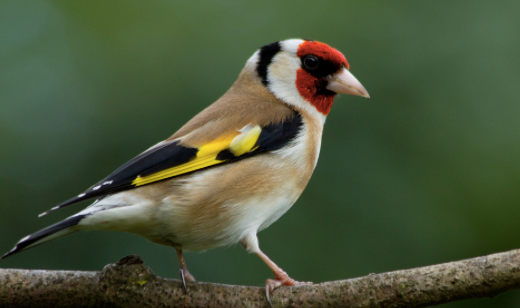
Feasting on a feeder in John Ingham’s garden this morning on the 25th October was a goldfinch. In 30 years the number of this colourful garden bird has soared since 1995. And also bird lovers have had a much more profound impact on the population of blackcaps. These robin sized warblers come to breed in this country every spring in gardens, woodlands and reed beds. And in autumn they fly to Spain and sometimes as far down as north Africa. But since the 1950’s blackcaps from Austria have started shunning the Mediterranean and wintering hear. In 30 years their range has increased by 77 percent and some have overwintered as…
-
Sighting of a rare black fox
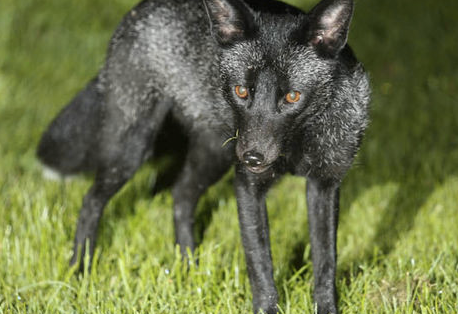
Looking straight down at the lens of a camera, this is the moment a black fox was caught on photo. This is only the fifth sighting in Britain, so artist and wildlife photographer Robert Fuller was shocked when his friend Robert Burns told him he’d spotted one in his flat. This is the rarest mammal in Britain, as well as being very rarely spotted. They both had a mission of photographing this rare canine, and after they’d put some bait out it came at 11pm.
-
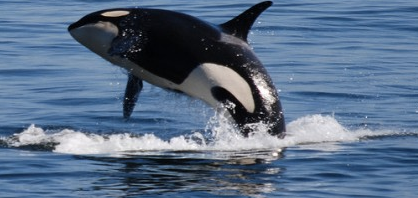
Ingham’s World Friday 18th September 2015-90 year old orca
Granny the killer whale is now at least 90 years old and has kept her family in check for at least 9 decades. A new book says that orcas are not just the oceans top killers, but these massive black and white dolphins(orcas are the biggest dolphins in the world. Some of the largest dolphins are called whales.) are also very clever too. They have their own cultures and dialects, and, like dolphins, they have the ability to work as a team to hunt down their prey. Orcas don’t seem to be that clever, writes David Neiwert, and only have around 40 different phrases, enough to say “food” and “I’m…