IN THE NEWS
-
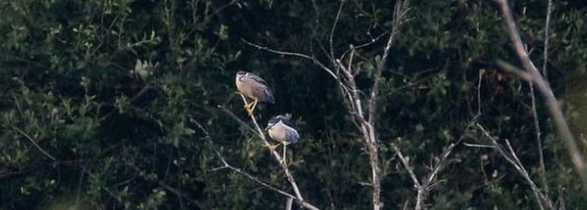
Black-crowned night herons breed in Somerset!
Recently, I was reading the Birdwatch magazine I get every month, something caught my attention; there was an article saying that some black-crowned night herons have bred in Somerset!!! This is the first record of them breeding in the UK, and they even fledged young (I’m not sure if the weather was much cop, because it deterred other rare breeding birds such as the bee-eaters in Nottingham, which weren’t successful). They were at a site near Graham Hall.
-
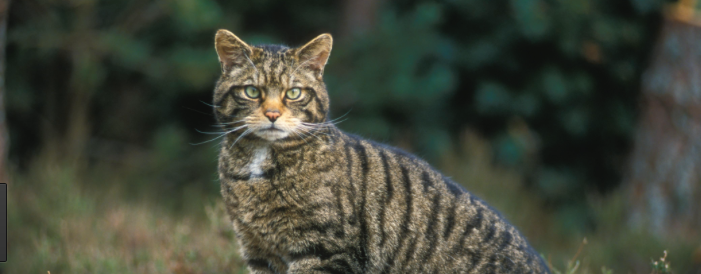
Six reasons for rewilding
Please visit the website where I found this information: rewildingbritain.org.co.uk
-
Hen harrier success in Northumberland
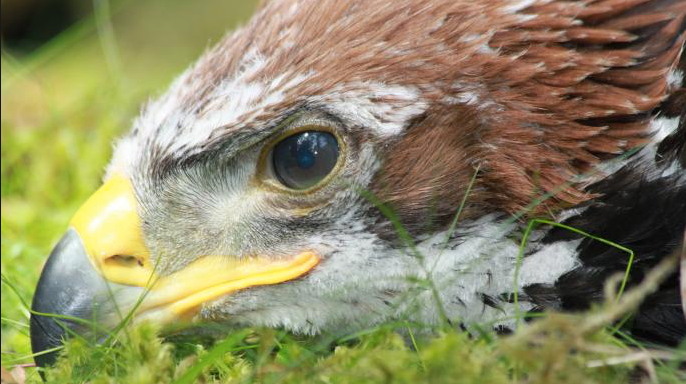
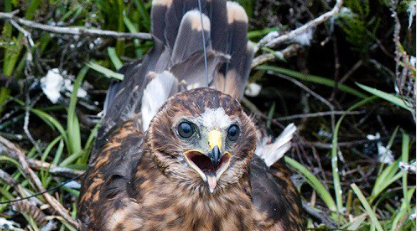
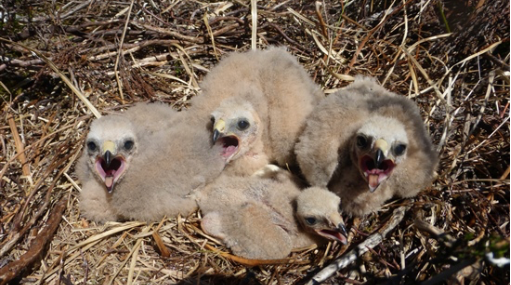
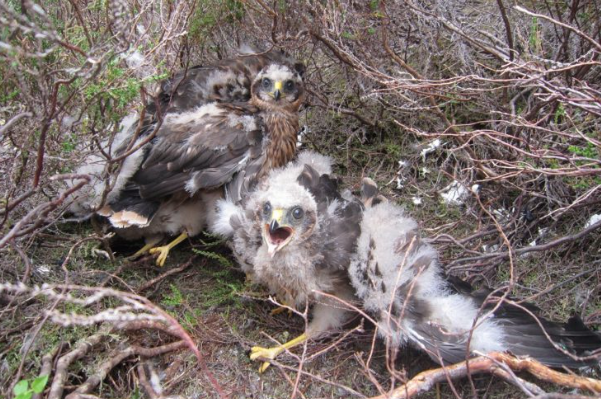
Recently, I looked up online how many hen harriers had bred in England this year, expecting to find low numbers, like last year, but I had a very good surprise when I looked at the sight; apparently, 10 chicks have fledged at a site in Northumberland from three successful nests. The pairs in the area had seven attempts, but only three nests were successful. This is a major achievement for this rare bird of prey. They have been heavily persecuted, mainly because they eat grouse chicks, and the gamekeepers usually poison or shoot the adults, unfortunately. Hardly any chicks were successful in England last year, so I’m really happy…
-
Rare thrush near Beeley
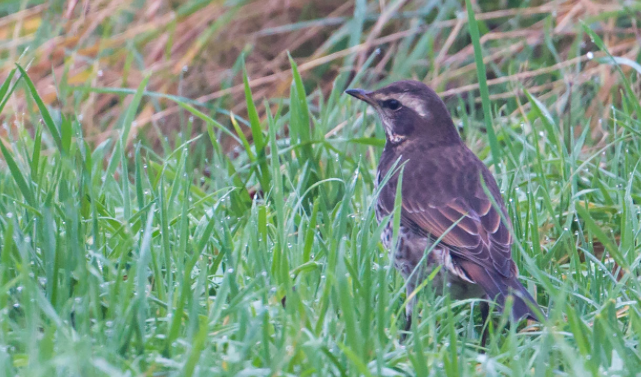
Recently, there has been a rare Dusky Thrush near Beeley in Derbyshire. Birdwatchers have been flocking to the area to see it.
-
Its the new game of ‘swoop and catch’!
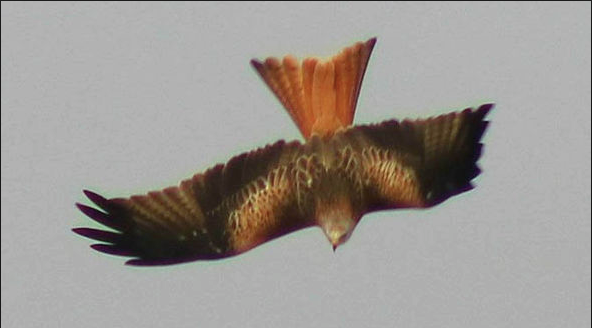
There’s a surprising new rival for Andy Murray – a red kite that can play catch! This kite, like most birds of prey can, showed amazing aerodynamics when it was catching the tennis ball. It liked dropping it and then swooping down to catch it in mid-air. Kites are probably the most agile of our raptors. Even though it looked as though it was playing a fun game of catch, experts believe that it was practising its hunting skills – either that or it mistook the ball for an egg. Red kites are mainly scavengers, but they will eat anything from rubbish to young rabbits. Iain Heslop, aged 51, captured…
-
Petition to stop badger cull
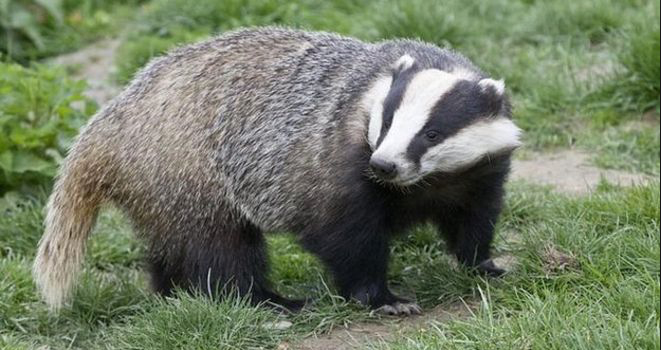
For 3 years, thousands of badgers have been killed pointlessly in an attempt to control bovine TB, which the badgers apparently pass on to the cattle. And this cull might carry on in September in 4 new counties. Tens of thousands of perfectly healthy badgers could be killed. So Simon King has set up a petition to stop the cull. The petition is already over 26 and a half thousand. If the petition reaches 100000, it will be considered for debate in parliament. Our constituency has 111 signatures for the petition.
-
Awful news about badger cull
Apparently the badger cull is now going to be continued in three areas including Somerset, Dorset and Glousteshire. 3,900 badgers have already been killed in these areas. The government said this should happen because badgers apparently carry bovine TB, and then be passing the disease on to the cattle. Dorset and Somerset are already practising the culling. This is part of the government’s 25 year strategy to eradicate the disease, but a lot of people are saying that the cull has no affect. In my opinion, farmers should just move their cattle into areas where there aren’t as many badgers.
-
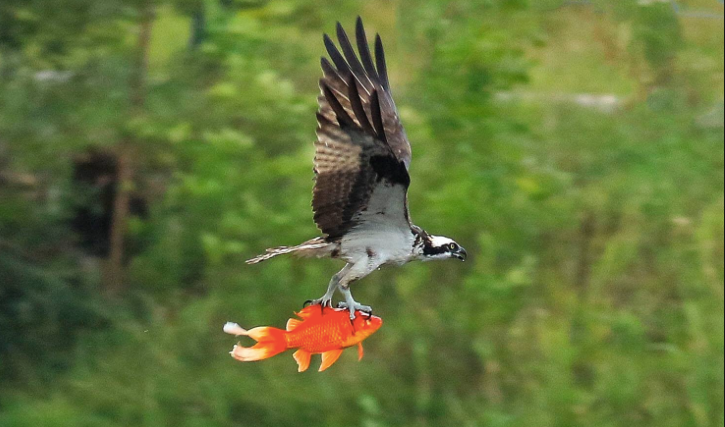
Osprey catches four goldfishes out of garden pond!
An osprey, or fish hawk, takes flight with a fantail goldfish clasped in its sharp talons and is captured in a breathtaking wildlife photo. The mighty 1.75m wing-spanned bird of prey had bided its time circling above a garden in Devon before stooping down and catching a helpless fantail goldfish out of their pond. The fish-hawk went to a nearby feeding perch and made short work of its slippery fish dinner, its fourth that day! This osprey is thought to be under two years old. Ospreys are unique, being in its own family which is called pandionidae. They are also called fish hawks because their diet consists of 99% fish. They…
-
Boost for garden birds due to mild winter
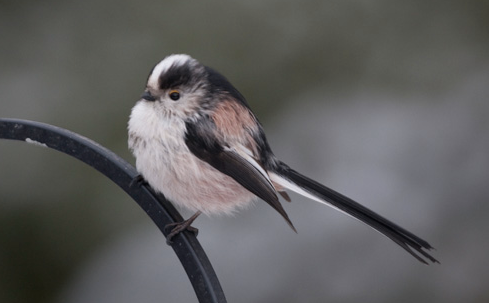
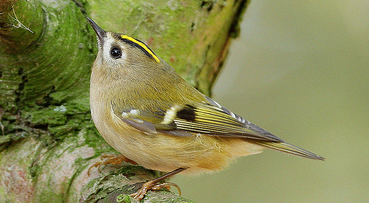
Europe’s smallest bird species, along with the yellow-browed wabler and the firecrest, is one of the small, dainty garden birds that have benifited due to the mild winter. This year, this 9 centimetre garden bird with a birght gold head and a greeny-brown body has been seen in many more gardens than usual in the yearly Garden Bird Watch in January. Long-tailed tits, a pink, black and white bird with the smallest body of any bird in Britain relative to its size(this is only a 14cm long bird and its body is only a tiny 6cm). The sightings of these cute-looking, fluffy tits have become more common in gardens and…
-
Tiny owls make leaf umbrella
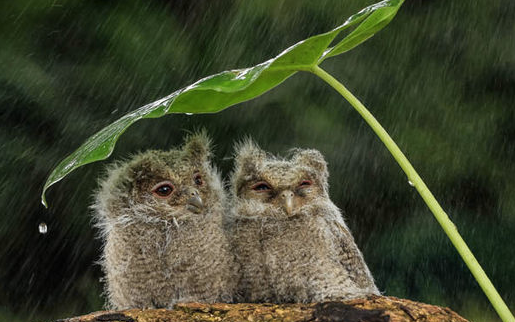
These tiny little javan scops owl chicks have made a makeshift umbrella out of a leaf to shelter from the torrential downpoor. These tiny scops owls, which are only 15cm tall, are some of the smallest in the world. They were caught on camera by Tanto Yensen in a rainforest in Indonesia. He was walking home when he spotted the tiny little scops owl chicks.
-
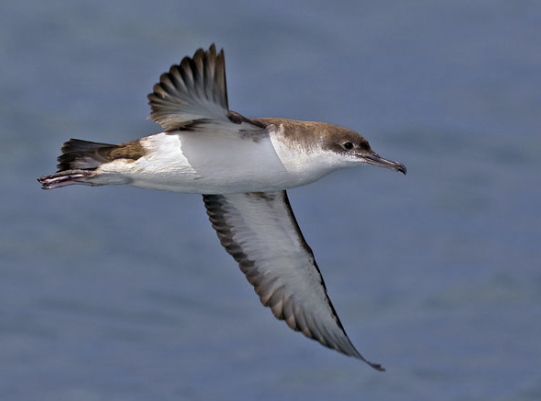
UK’s first yelkouan shearwater, its 600th species
A seabird spotted in 2008 has been confirmed as Britain’s 600th bird species. the yelkouan shearwater, a native of the Mediterranean and other parts of Europe, was spotted by Mike Langman in Devon in 2008. But it has taken bird records till recently to confirm it as a first for Britain. The pair of shearwaters travelled alongside a crabbing boat for food. Shearwaters usually feed by diving under water for food such as crabs, crustaceans and small fish. The eight year delay was due to the confusion between another shearwater, the minorcan.
-
Jackal vs lappet-faced vulture
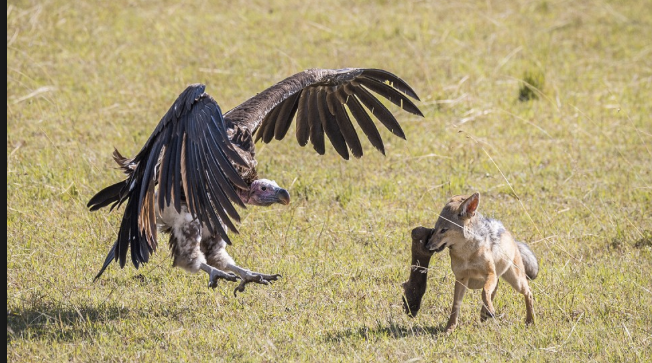
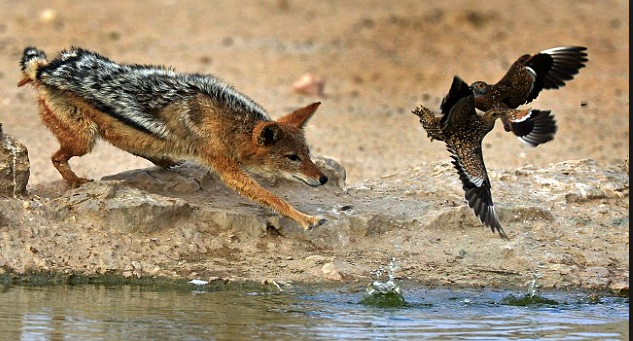
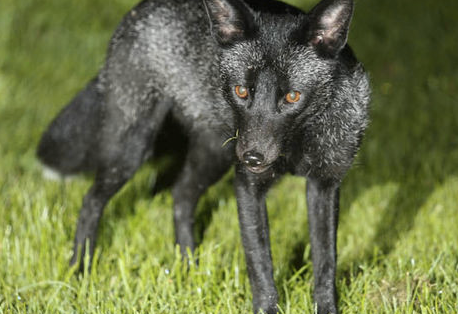
This jackal must have thought it had got a free meal until this lappet-faced vulture, just one of its wings as long as the jackal, swooped in to steal the jackal’s bone. The 7kg bird flapped its massive wings in an attempt to scare of the jackal but this was the day of the jackal. The feisty animal clung to the wildebeest bone, which was nearly as long as itself, not willing to give it up to the massive bird. The bone was really big enough fore the two powerful predators but decided to fight over it as it was not in a very generous mood. The fight was captured…
-
Cheetah vs toes
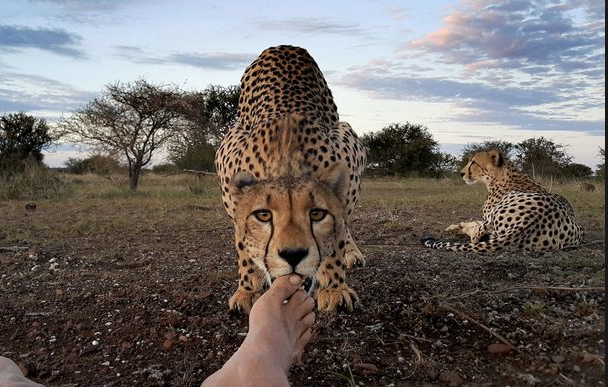
Having a cheetah lick your toes to clean them doesn’t seem the safest way to do it. But luckily for wildlife photographer Kim Wolhuter, this young cheetah seemed to enjoy the job. Kim had been busy taking pictures of the cub, its mother and the rest of her brood in Hashatu game reserve in Botswana. The inquisitive youngster sidled up to the 57 year old and started to nibble Kim’s toes as he sat on the ground. Luckily Kim had had six weeks filming this family of cheetahs and had slowly gained the animal’s trust.
-
Cheetah the scaredy cat!
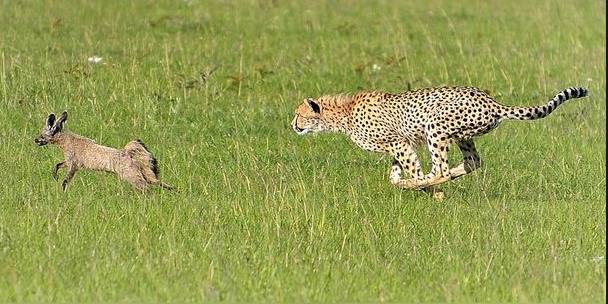
This cheetah was photographed being chased away by a bat-eared fox less than twice the cheetah’s length and weight! First it was the cheetah who was chasing. This cheetah was thinking that this feisty animal only as big as a cat would be a suitable prey item, but when it pounced, it found that the fox, even though it was a lot smaller than itself, was a very vicious customer!
-
This fat squirrel is going to beat the winter!
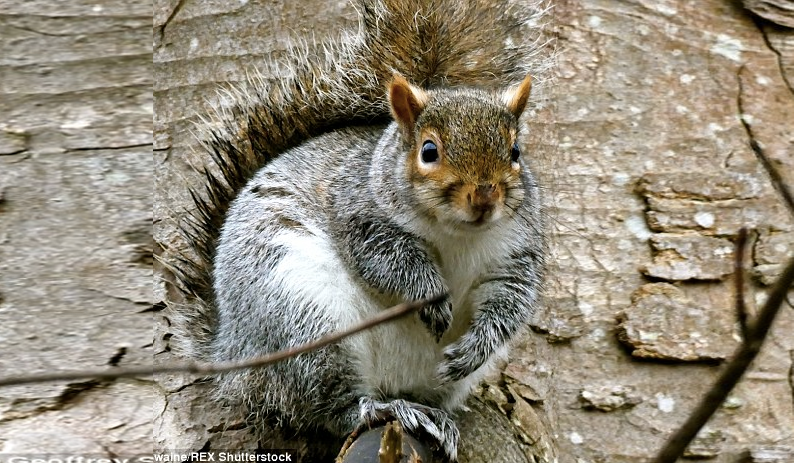
This greedy squirrel looks like he’s eaten all the nuts before winter instead of staching them. This fat grey squirrel was spotted in Maidenhead, Berkshire, where quite mild temparatures have left him free to fatten up on nuts, seeds and fruit, ahead of any forthcoming cold spells. He actually should have buried some for the cold weather when it does appear. But he may have forgotten the first rule of winter…Don’t eat everything you find.