-
10th January 2016
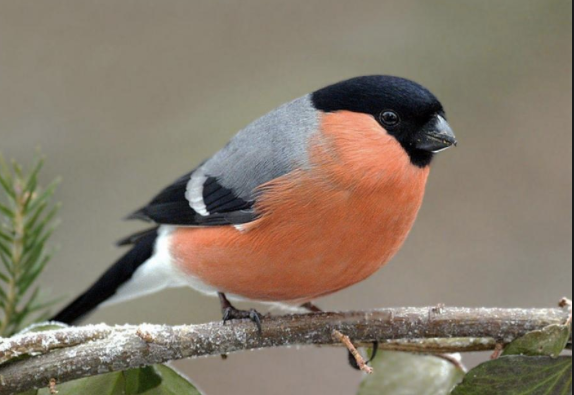
Garden 64. Bullfinch, Pyrrhula pyrrhula
-
9th January 2016
Woods at home 63. Mandarin duck, Aix galericulata
-
5th January 2016
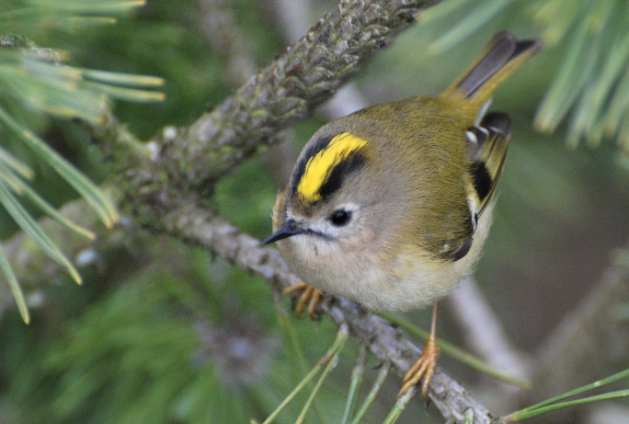
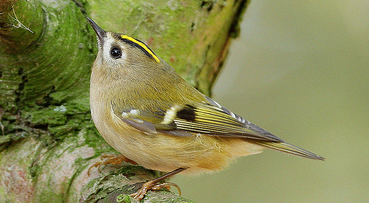
Granny Chris’s 62. Goldcrest, Regulus regulus
-
3rd January 2016
Woods at home 58. Nuthatch, Sitta europaea 59. Great spotted woodpecker, Dendrocopos major 60. House sparrow, Passer domesticus 61. Dunnock, Prunella modularis
-
2nd January 2016
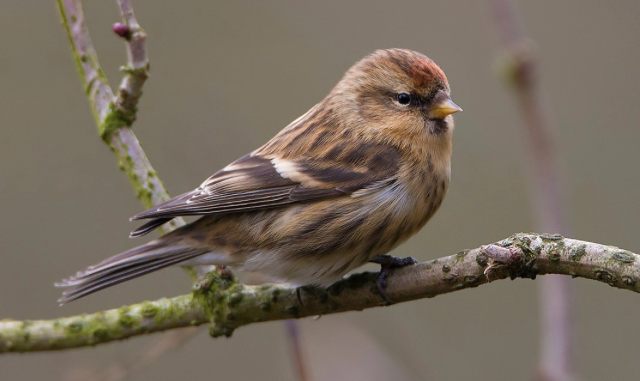
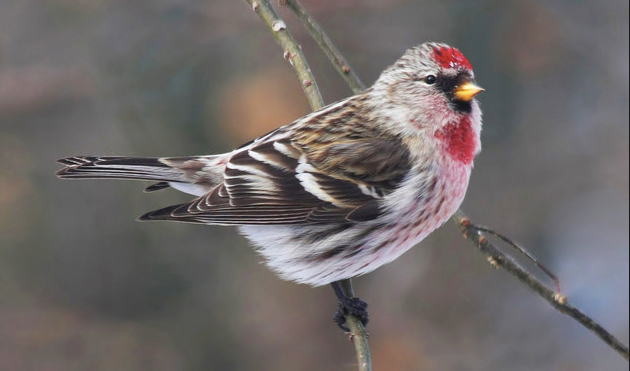
Snettisham and Titchwell Marsh 35. Mealy redpoll (Brand new species)Acanthis flammea 36. Gadwall, Anas strepera 37. Pink-footed goose (Brand new species) 38. Brent goose (Brand new species)Branta branta 39. Golden plover, Pluvialis apricacia 40. Grey plover (Brand new species)Pluvialis 41. Bar-tailed godwit (Brand new species)Limosa 42. Dunlin, Calidris alpina 43. Rock pipit, Anthus spinolletta 44. Water pipit (Brand new species)Anthus 45. Coal tit, Periparus ater 46. Mute swan, Cygnus olor 47. Goldeneye, Bucephalus clangula 48. Greenfinch, Carduelis chloris 49. Goldfinch, Carduelis carduelis 50. Little grebe, Tachybaptus ruficollis 51. Moorhen, Gallinulus chloropus 52. Coot, Fulica atra 53. Chiffchaff, Phylloscopus collybita 54. Marsh tit (Brand new species)Poecile montanus 55. Chaffinch, Fringilla coelebs 56. Collared dove, Streptopelia decaocto 57.…
-
1st January 2016
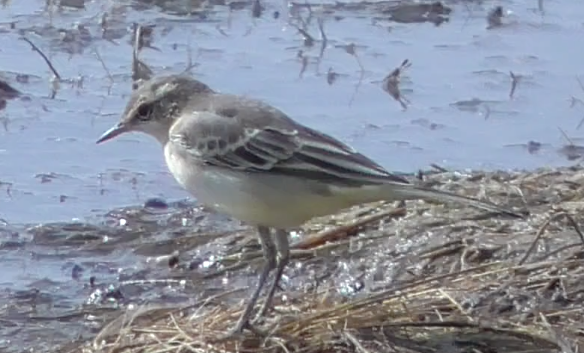
Snettisham Marsh harrier, Circus aerug Hen harrier, Circus cyaneus Shore lark (Brand new species) Kestrel, Falco tinnunculus Greylag goose, Anser anser Shelduck, Tadorna tadorna Great black-backed gull, Larus marinus Black-headed gull Little egret, Egretta garzetta Dunlin, Calidris alpina Sparrowhawk, Accipiter nisus Buzzard, Buteo buteo Shoveler, Anas clypeata Mallard, Anas platyryhncos Red-legged partridge (Brand new species), Alectoris rufa Long-tailed tit, Aegithalus caudatus Great tit, Parus major Blue tit, Cyanistes caeruleus Robin, Erithacus rubecula Wren, Troglodytes troglodytes Blackbird, Turdus merula Redshank, Tringa totanus Teal, Anas crecca Wigeon, Anas penelope Oystercatcher, Haemantopus ostralegus Curlew, Numenius arquatus Lapwing, Vanellus vanellus Carrion crow, Corvus corone Rook, Corvus fuligelus Jackdaw, Corvus monedula Magpie, Pica pica Wood pigeon, Columba palumbus Feral pigeon, Columba livia Pied wagtail, Motacilla alba
-
Boost for garden birds due to mild winter
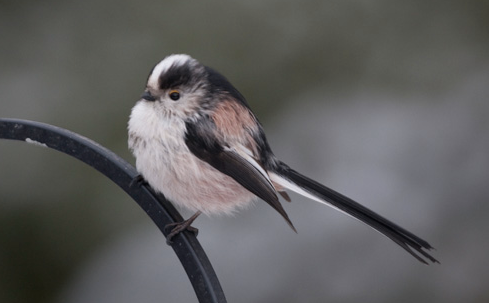
Europe’s smallest bird species, along with the yellow-browed wabler and the firecrest, is one of the small, dainty garden birds that have benifited due to the mild winter. This year, this 9 centimetre garden bird with a birght gold head and a greeny-brown body has been seen in many more gardens than usual in the yearly Garden Bird Watch in January. Long-tailed tits, a pink, black and white bird with the smallest body of any bird in Britain relative to its size(this is only a 14cm long bird and its body is only a tiny 6cm). The sightings of these cute-looking, fluffy tits have become more common in gardens and…
-
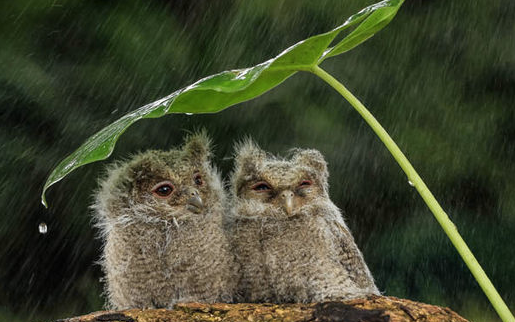
Tiny owls make leaf umbrella
These tiny little javan scops owl chicks have made a makeshift umbrella out of a leaf to shelter from the torrential downpoor. These tiny scops owls, which are only 15cm tall, are some of the smallest in the world. They were caught on camera by Tanto Yensen in a rainforest in Indonesia. He was walking home when he spotted the tiny little scops owl chicks.
-
Common kingfisher
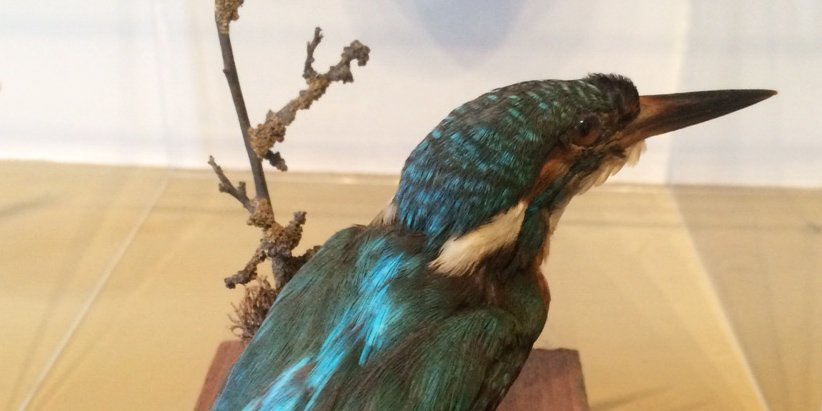
Two weeks ago, I bought a common kingfisher with my pocket money. On the twig it’s sitting on, it says Alsedo ispida, which must have been its latin name at the time because now in latin the kingfisher is Alcedo atthis. It is the smallest bird that is not in my case. I think it’s in the best condition for its age. In Britain, we only have this type of kingfisher, the common or little blue, but their have been relatives of kingfishers, such as the bee-eaters that nested in Cumbria. Mine has a very large beak, and for its size it has the largest beak of all the birds on…
-
UK’s first yelkouan shearwater, its 600th species
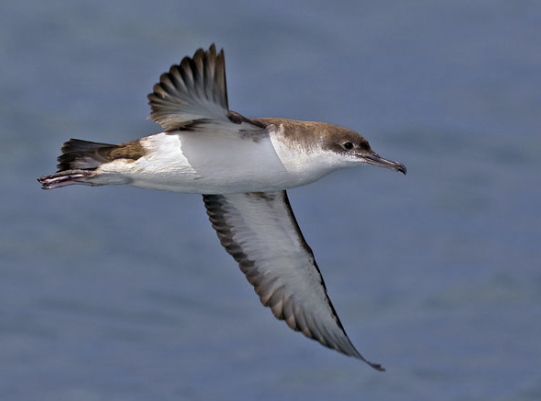
A seabird spotted in 2008 has been confirmed as Britain’s 600th bird species. the yelkouan shearwater, a native of the Mediterranean and other parts of Europe, was spotted by Mike Langman in Devon in 2008. But it has taken bird records till recently to confirm it as a first for Britain. The pair of shearwaters travelled alongside a crabbing boat for food. Shearwaters usually feed by diving under water for food such as crabs, crustaceans and small fish. The eight year delay was due to the confusion between another shearwater, the minorcan.
-
Black beast in a wolf pack
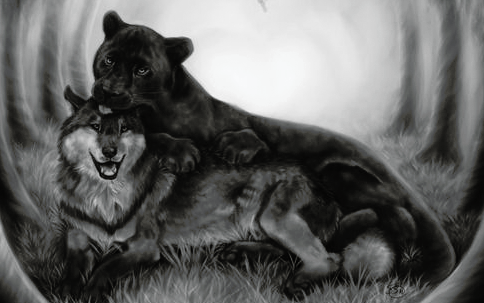
The unseen form of a panther crept through the snowy heather, under a pine tree, stalking a roe deer. Just then, he heard the howls and yelps of wolves coming from the bushes. Surely nothing could escape a wolf pack, not even a stag! He ran quickly through the gleaming snow, back to the safety of the bushes. But of course the wolves, with their amazing speed and stamina, caught him up with ease. The alpha male, a tower of strength, was nearly as big as the panther itself. Night passed. The panther crept sneakily out at dawn when the wolves were asleep. He was absolutely starving as he hadn’t…
-
Red-bellied piranha
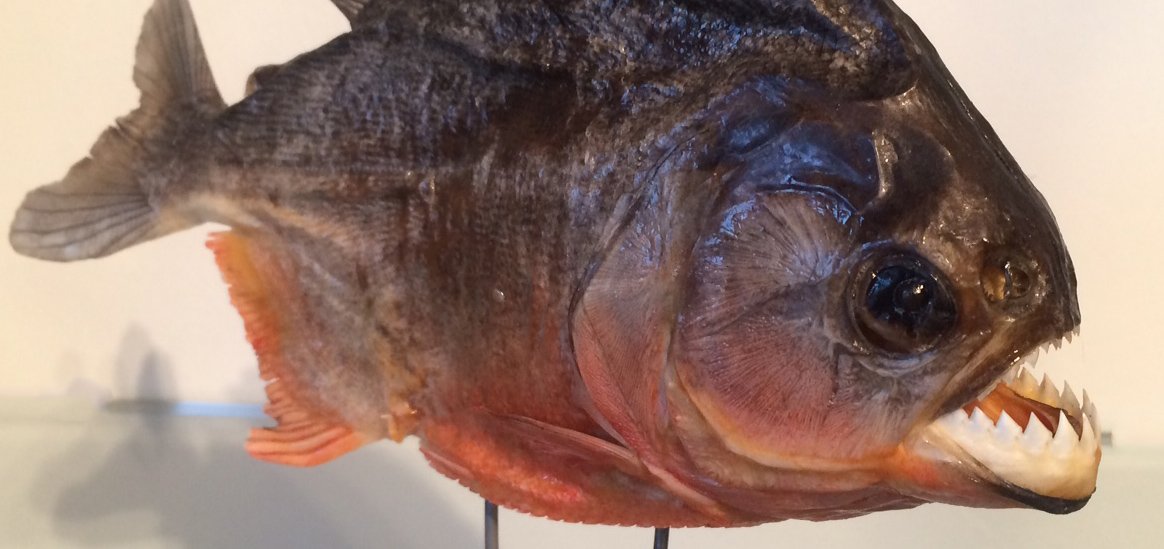
When mummy and daddy went to Ireland, they brought back presents for me and Redwin. I got a taxidermy red-bellied piranha that Tom, my mummy and daddy’s friend, sent for me. I have only one taxidermy fish and that is the piranha. Piranhas are native to the Amazon Basin in Brazil. They are vicious fish, and will eat water birds like herons and egrets, peccaries and other wild pigs, and even young caimans, the South American equivalent to the alligator. Piranhas can only take prey many times bigger than themselves because they work together. They usually take wounded animals because large mammals such as peccaries would be too big and strong if…
-
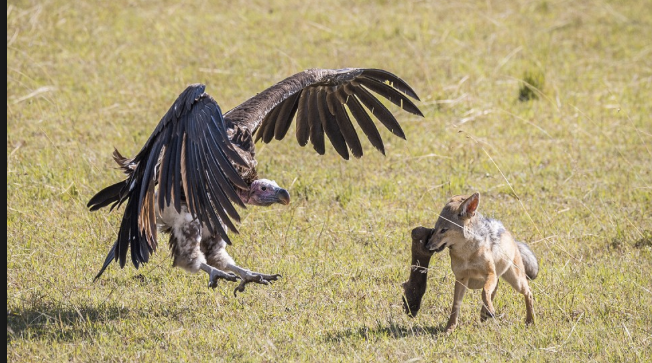
Jackal vs lappet-faced vulture
This jackal must have thought it had got a free meal until this lappet-faced vulture, just one of its wings as long as the jackal, swooped in to steal the jackal’s bone. The 7kg bird flapped its massive wings in an attempt to scare of the jackal but this was the day of the jackal. The feisty animal clung to the wildebeest bone, which was nearly as long as itself, not willing to give it up to the massive bird. The bone was really big enough fore the two powerful predators but decided to fight over it as it was not in a very generous mood. The fight was captured…
-
Cheetah vs toes
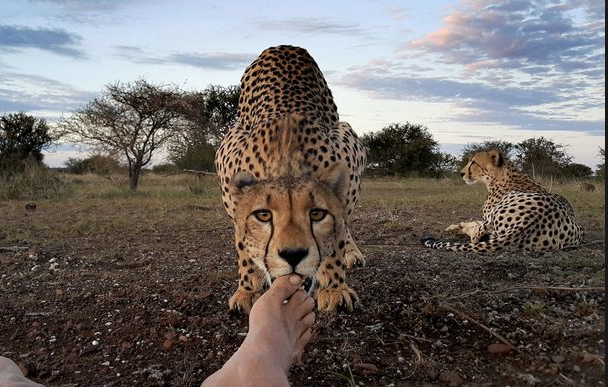
Having a cheetah lick your toes to clean them doesn’t seem the safest way to do it. But luckily for wildlife photographer Kim Wolhuter, this young cheetah seemed to enjoy the job. Kim had been busy taking pictures of the cub, its mother and the rest of her brood in Hashatu game reserve in Botswana. The inquisitive youngster sidled up to the 57 year old and started to nibble Kim’s toes as he sat on the ground. Luckily Kim had had six weeks filming this family of cheetahs and had slowly gained the animal’s trust.
-
Chinese hawfinch
Recently, I spent some of my pocket money on a Chinese hawfinch, a bird also known as a Chinese grosbeak. It looks a bit like our female bullfinch as it has rusty red underparts. Like all finches, it has quite a large bill for cracking open seeds and nuts. Also it is similar to a bullfinch in size, and quite a bit less chunky than the European hawfinch I’ve got in my case. It has a dark black cap, a pale brown chest with orangey-brown underparts, a pale brown back and a black and white tail. The same seller had a crow like bird called a grey currawong but I thought…